
Police Crack Down on Mpumalanga School Crime
June 5, 2025
Mpumalanga Aims for 60 000 Annual Jobs
June 6, 2025SANParks Observes Environment Day, Targets Plastics

Ms Kirsty Redman explains the importance of trees to the SANParks Board members, CEO and Local Traditional Leaders at the World Environment Day.
SANParks Observes Environment Day, Targets Plastics South African National Parks (SANParks) marked World Environment Day (WED) 2025 by placing a spotlight on plastic pollution under this year’s global theme, “Beat Plastic Pollution”. The campaign focuses on raising awareness of how plastic waste is aggravating the so-called ‘triple planetary crisis’ climate change, biodiversity loss, and pollution.
According to the United Nations, over 400 million tonnes of plastic waste are produced globally each year, much of which ends up in rivers, soil, and natural ecosystems. The impact is far-reaching, threatening wildlife, human health, and economic sustainability. SANParks has echoed the call for urgent collective action to address plastic pollution and its devastating consequences.

A key focus of SANParks’ WED 2025 message is the impact of plastic pollution on rural and marginalised communities many of which are located near waste sites or lack proper waste infrastructure. Given that the majority of South Africa’s national parks are situated in rural areas, SANParks has emphasised the link between environmental degradation, climate change, and the lived experiences of people residing near conservation areas.
SANParks has committed to ensuring that these communities are not only participants in environmental activities but are empowered as leaders in environmental stewardship. This approach includes co-management strategies, youth-led clean-up campaigns, education in traditional zero-waste practices, and access to ancestral lands for both ceremonial and ecological purposes.
“We want communities living adjacent to our parks to become champions in the fight against plastic pollution,” said SANParks. “They are the original custodians of these lands, and their involvement is essential in developing sustainable, locally driven conservation models.”
The SANParks Vision 2040 strategy underpins this work, promoting a people-centred conservation network that integrates biodiversity protection, social justice, and economic empowerment. This vision aligns with a broader effort to push back against the harmful effects of plastic and other waste streams.
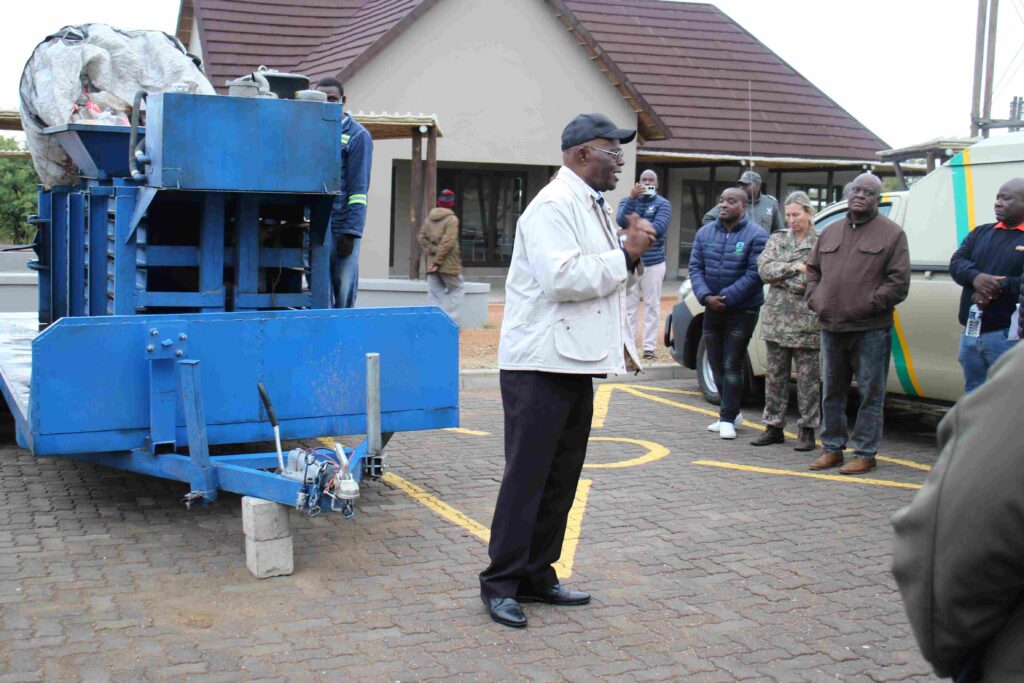
As part of its operational goals, SANParks is also implementing a phased plan to eliminate problematic waste streams, such as single-use plastics, across all national parks. This initiative supports the development of a circular economy that not only protects the environment but also offers sustainable opportunities to nearby communities.
The message from SANParks this WED is clear: environmental protection must be intertwined with social justice. For many rural and indigenous communities, the land is sacred and deeply connected to their identity. Plastic pollution violates this bond. To truly beat plastic pollution, SANParks asserts, we must act collectively and support those who have long understood the value of living in harmony with nature.